Advertising and influencers: most common mistakes
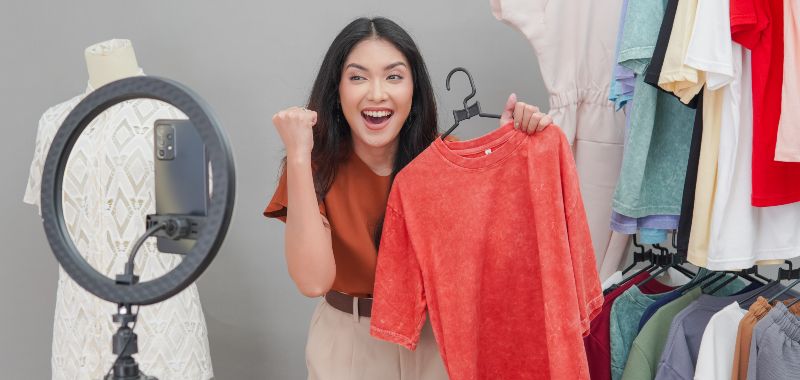
The role of the influencer has become a key ally for brands, but also a frequent source of legal and reputational risk. The boom of collaborations on social media has moved much faster than the ability of companies, agencies and influencers to adapt to the rules governing advertising, consumer protection and transparency in the digital environment.
The result is a scenario where, despite the parties’ good faith, the same mistakes keep recurring: content that is not clearly identified as advertising, messages that may be considered misleading, poorly drafted rights assignments or collaborations without a written contract.
In this article, we will review the most common mistakes made in influencer marketing campaigns.
Lack of transparency by brands
Lack of transparency on the part of brands is one of the most frequent mistakes in campaigns with influencers. Very often it is the companies themselves (or their agencies) that put pressure on influencers to soften or remove labels such as “advertising”, “paid partnership” or “sponsored content”, with the aim of making the message appear more natural or organic.
This not only breaches the regulations on commercial communications and consumer protection, which require that any advertising purpose or consideration be clearly and unequivocally disclosed, but also shifts the risk onto the influencer, who is the one directly exposed before their audience and the authorities. Far from benefiting the brand, this lack of transparency undermines users’ trust when they realise that they have been shown “disguised” advertising, and it may lead to sanctions and reputational damage that is difficult to reverse.
Contracts and necessary clauses in collaborations
The lack of clear contracts or appropriate clauses in collaborations with influencers is another major source of risk. It is still common for campaigns to be agreed “verbally” or through simple email or message exchanges, without a document that fully regulates essential aspects such as the identification of advertising, permitted and prohibited messages, compliance with consumer regulations, intellectual property over the content, use of the influencer’s image, duration of the campaign, moderation of comments or allocation of responsibilities.
It is important to remember that it is not only the influencer who can be sanctioned: brands and agencies will also be held liable, even jointly, if covert, misleading or non-compliant commercial communications are disseminated. This is why it is essential to have well-drafted contracts setting out obligations, limits and procedures for the supervision and approval of content, so that all parties are aligned and legally protected.
Designing influencer campaigns in compliance with the law
Good design of law-compliant influencer campaigns starts long before the first post is published. As a starting point, it is advisable to put in place a written internal collaboration policy (for brand and agency) that includes criteria for selecting influencers, obligations regarding disclosure of advertising and a protocol for content review and approval.
On that basis, each collaboration should be formalised through a specific contract, regulating: an express mention that the content is advertising, clear instructions on how to label posts (e.g. “Advertising”, “Paid partnership with X”), prohibited messages (health claims, promises of results, etc.), timeframes for brand review, rights to use the content and a regime of liabilities and penalties in the event of breach.
On a practical level, some key tips include:
- Clear and visible labels from the very beginning of the content (not hiding them among hashtags).
- Basic training for the influencer on the applicable regulations and sector codes of conduct, where relevant.
- Prior review of content by the brand/agency, especially in sensitive sectors (health, food, finance, gambling, minors, etc.).
- Internal records of campaigns (briefing, contracts, screenshots of posts, metrics), useful in the event of claims or inspections.
- Supervision and takedown clauses, anticipating the possibility to require changes or immediate removal of content that breaches the law.
Applying these guidelines not only reduces the risk of sanctions for influencers, brands and agencies, but also helps build more transparent and long-lasting relationships with consumers.
Ultimately, working safely with influencers requires more than creativity and reach: it requires knowing the rules, anticipating risks and properly documenting each collaboration.
At LETSLAW, we are experts in digital law with lawyers for influencers, and we advise brands and agencies as well as content creators themselves on the design, review and negotiation of their campaigns and contracts. If you have any questions about how to make your collaborations compliant, review your clauses or implement an internal influencer policy, you can contact us and we will help you find the solution that best fits your case.

Paula Ferrándiz es abogada especialista en Propiedad Intelectual e Industrial, Nuevas Tecnologías y Derecho de la Competencia.
Apasionada del sector digital y las redes sociales presta asesoramiento legal a todo tipo de clientes tanto nacionales como internacionales en materia de protección de datos, comercio electrónico, publicidad y marketing digital entre otras.
More from my site
 Approval of the Preliminary Draft of the Right of Rectification Law, extending its application to digital media and influencers
 How does the General Law of Audiovisual Communication affect influencers?
 The CNMV warns influencers who give advice without financial knowledge
 Will influencers have to comply with the new General Law on Audiovisual Communication?
 Legal advice for affiliate marketing in Spain
 What you need to know if you’re an influencer and want to avoid being fined